
Breaking toes and keeping friends
Better to screw up a conversation than avoid it.

What up, Traipser! Dakota here with a hearty welcome to Traipsing About, my newsletter about reclaiming creativity as an adult and ditching tired personal paradigms. No bots allowed—all drawings, spalling errors, and bad puns are MINE, baby!
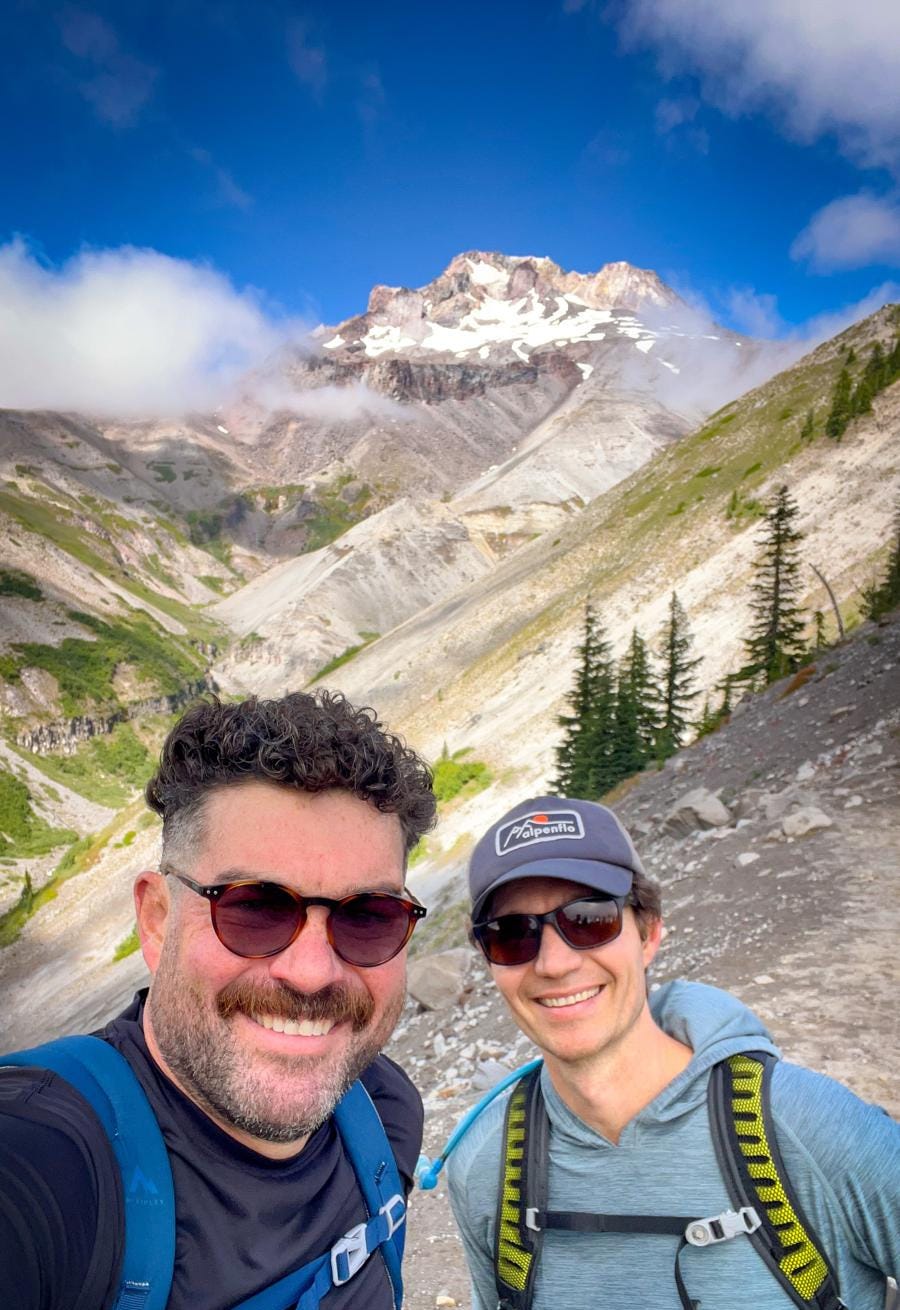
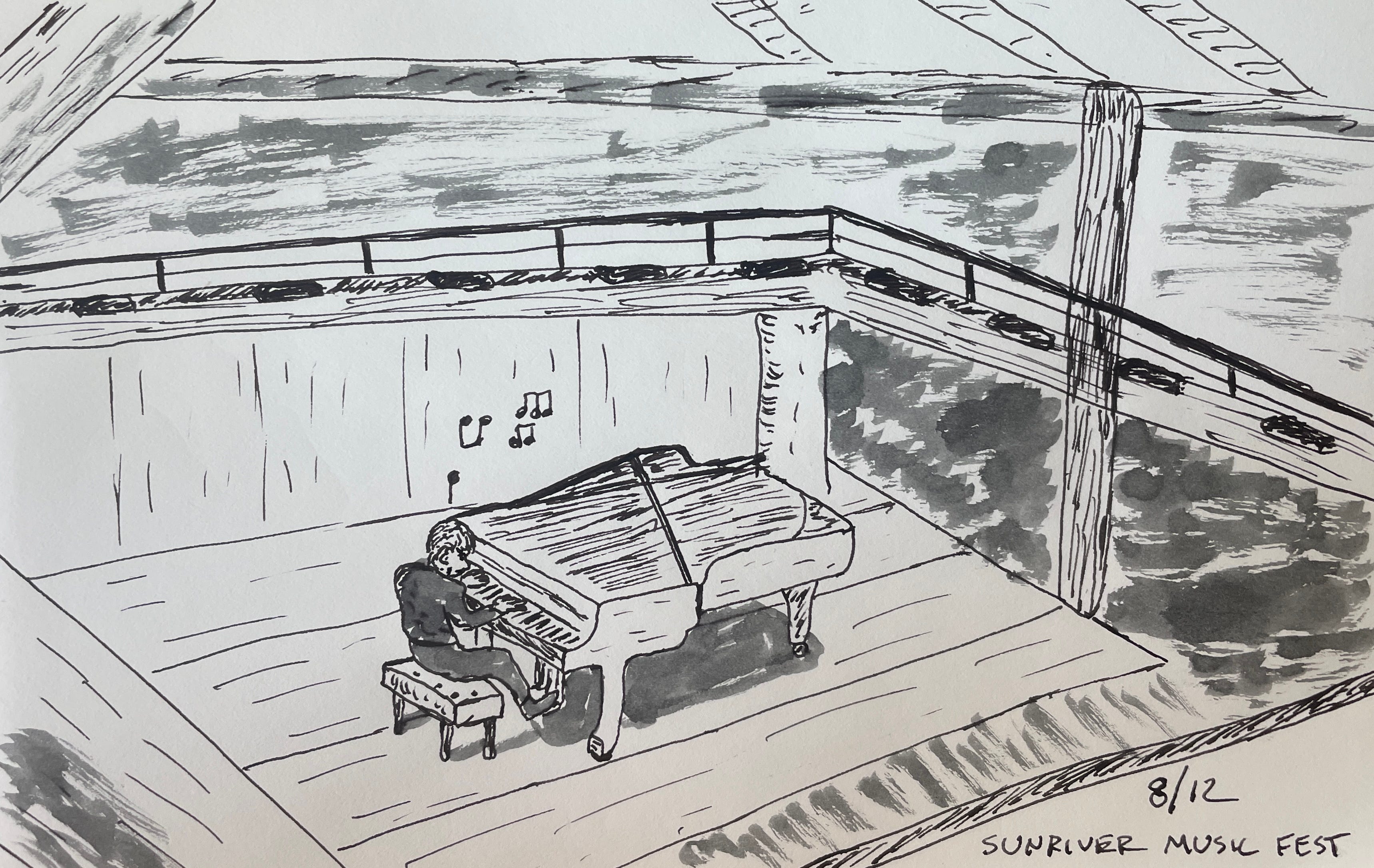
Since last time, I’ve had the pleasure of a variety of summer fun, including a camping trip to Mt. Hood and a fabulous piano concert during a music festival. Oregon continues to miraculously dodge summer smoke and I am soaking it UP, baby.


Hot off the Traipsing About press this week:
Messy friendships for the win.
Bonking (the athletic kind).
10,000 steps is a marketing concept?!
Traipsing Tidbits.
In case you missed it: Last newsletter, I introduced a new mini-series about friction in our lives, starting with how it builds character. This time, a different angle:
Strengthening friendships with friction
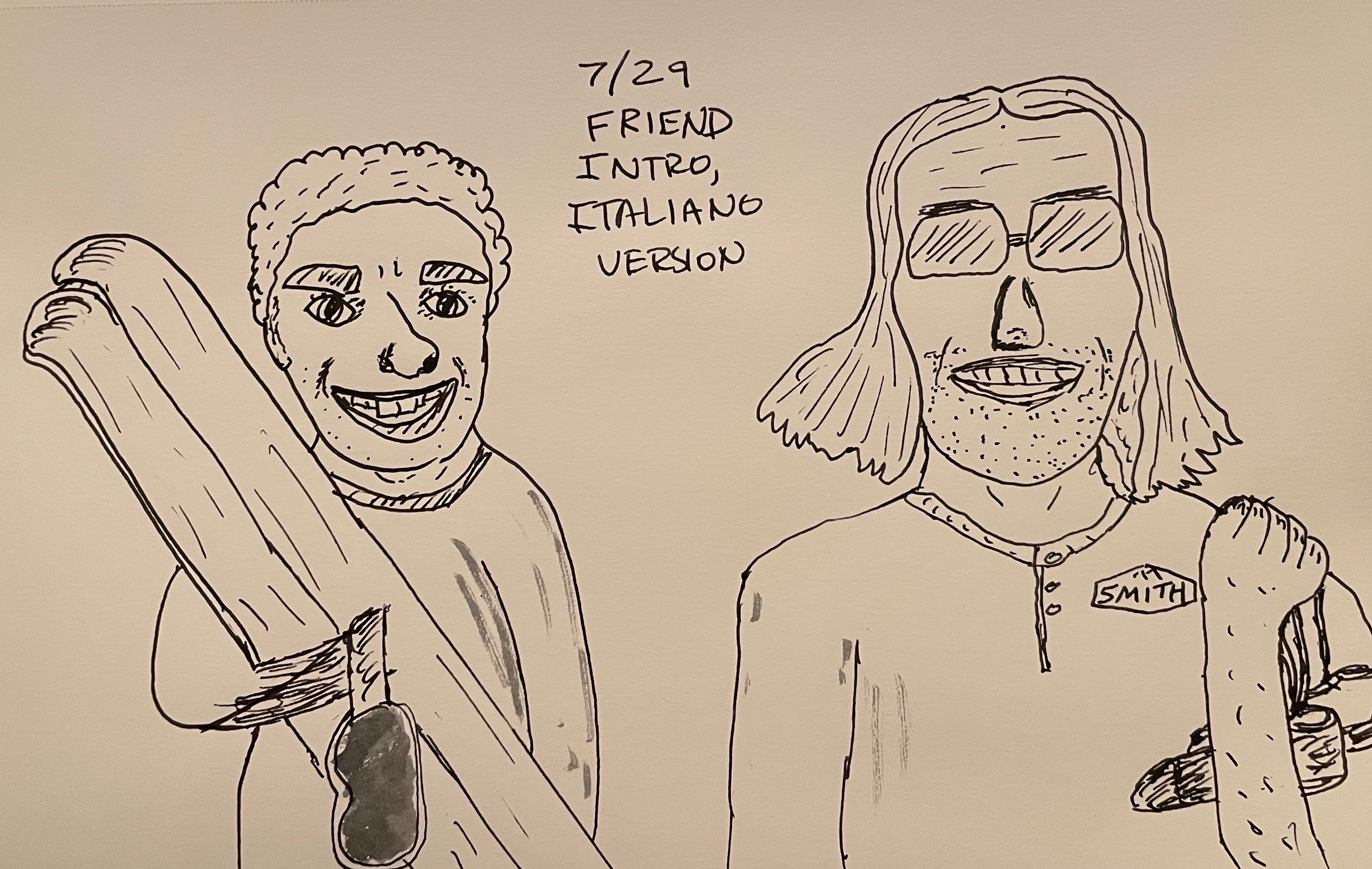
My first year in Bend, I learned how a broken toe can build a friendship.
I'd taken a new friend on a group run on tricky terrain. At one point, he dropped back while I was up around the bend with another runner. I waited a bit...no sign of him.
Huh, weird. Oh well, let's climb up to the waterfall ahead!
On my way back down the trail, I came upon my friend, now limping along. He'd fallen and broken his toe while I was cavorting ahead. Cue awkward moment.
Kudos to him, he leaned in and told me how he felt. Stammering my way through that conversation with him cemented our friendship in a way that wouldn't have happened otherwise. (His openness to me sounding like a penitent idiot helped.)
Contrast stammering with perfectly sculpting all communication, whether belaboring a text response or simply asking ChatGPT what to say. A perfect response that feels like winning in the moment actually robs us of one of the prime opportunities in communication. You guessed it: FRICTION.
Consider being in conflict with your partner or friend. They send a perfectly worded text or email to you explaining things and taking responsibility.
My god, have they done years of therapy and meditate every morning? Does it say "Aspiring Dalai Lama" on their LinkedIn profile?
Nope: they admit that ChatGPT wrote the entire thing.
Cue the air rushing out of a balloon as the conversation crashes: FWEEEEEEET.
Do you feel closer to them? Do you trust them more?
Hell. No. Not in a million therapy sessions.
That's because emotional friction (conflicts, misunderstandings, compromise!) creates a feeling of closeness.
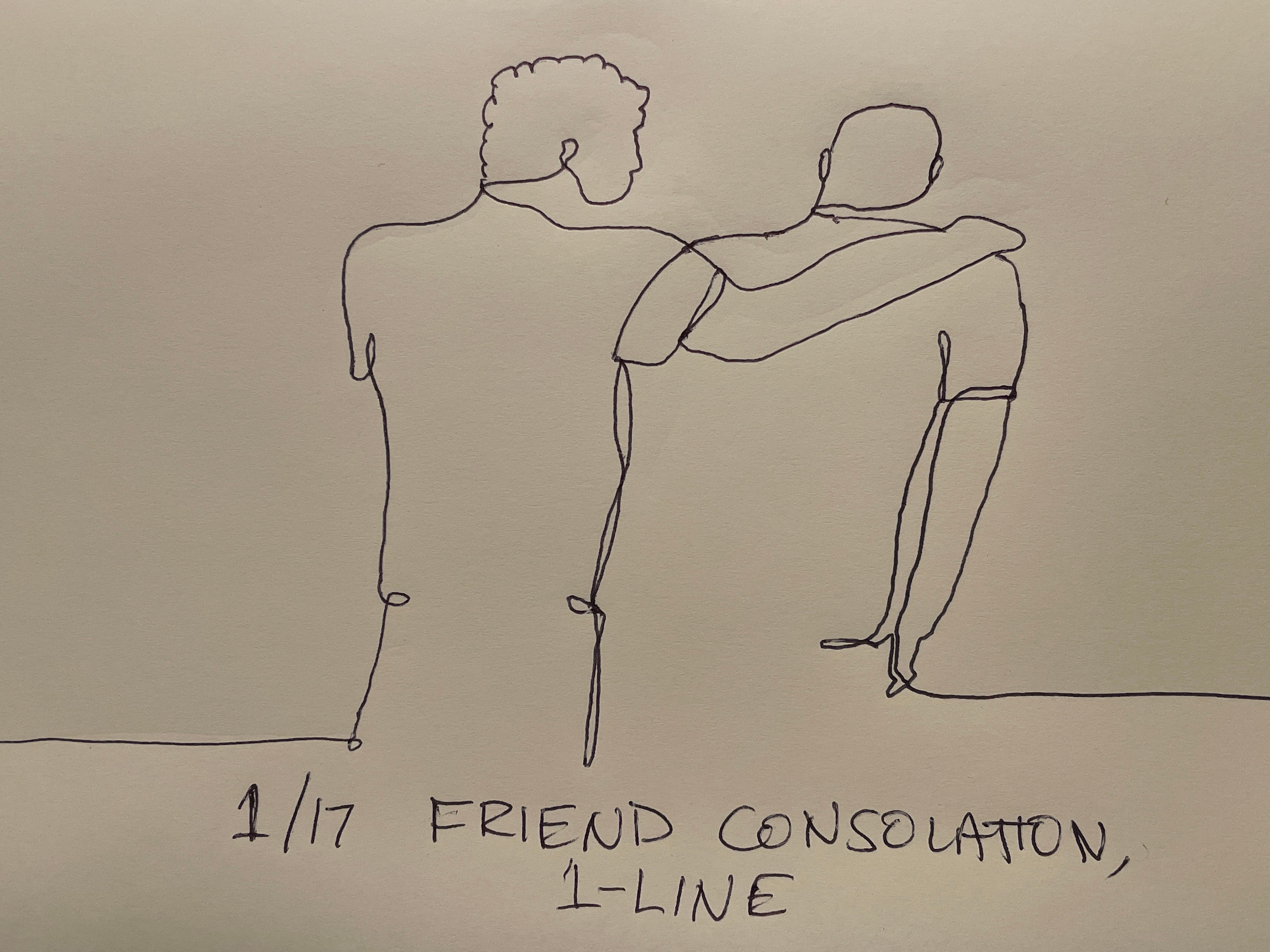
In the same way that surmounting a tough work project or hard physical experience brings us closer together, navigating hard conversations strengthens trust. The messy conversations shows us what people are made of, that they care enough to try.
Messiness (ahem, friction) can also be a fantastic signaling tool for knowing when enough is enough. For instance, one friendship blew up after a joke of mine went awry. I apologized profusely, but my friend refused any attempt at repair. In fact, the trip ended with him driving off in a huff, throwing a gift I'd gotten him out the window on the way out.
Reflecting later, I realized I didn't want to try additional repair. I'd ignored other red flags in the past (oops), but this flag had flapped in the first hard breeze and snapped me in the face. Buh byyyye.
On the flip side, with close friends, I’ll step up and admit to being a jackass. That’s not just an apology, it’s proof I value the relationship enough to limp through the awkward moments. Because when the dust settles, friction isn’t what breaks us apart. It’s the broken toes, bad jokes, and messy conversations that prove we’re worth holding together.
What the bonk?!
There are many endurance athletes in the Traipsing audience, which means plenty of you have experienced that feeling of bonking during a long athletic outing. I, on the other hand, always manage my fueling perfectly.
Wait… Except last weekend. And on basically every bikepacking trip I’ve ever done. *sigh*


Anyway, I know about trying to get 60-90g of carbs per hour during exercise, but I’d never thought of The Bonk the way it’s explained here:
Glucose is the body’s preferred fuel source when the intensity of exercise gets above about 65% of VO₂ max; an intensity above which most serious endurance endeavors are undertaken. That’s because carbohydrates can be burned without large amounts of oxygen, which is in shorter supply when you’re working hard.
But, when the carbs start to run out (and if they’re not adequately replaced by regularly ingesting them), fatty acids need to be burned to produce energy instead. The burning of fat can release a hell of a lot of energy, but it requires way more oxygen, so a ‘bonk’ is really just nature’s highly persuasive way of slowing you down to the point where sufficient oxygen can be provided for you to use fat as your primary fuel source, so you can limp home and collapse on the sofa.
The article goes on to say:
In all, glycogen generally provides about 90 to 120 minutes' worth of endogenous (stored) fuel for pretty high intensity exercise before levels drop to the extent that performance is substantially impaired.
Interestingly, this is why ‘hitting the wall’ is so common in the later stages of a marathon - that 18-22 mile zone is right when many people run out of gas.
I still prefer to get my fuel from real food, but maybe it’s time for me to consider adding something to my water bottles?
10,000 steps, my ass
Did you know the whole 10,000 steps a day thing was a Japanese pedometer marketing campaign in the 1960s? Walking, smalking.
But wait! Before you toss your walking shoes in the trash, read on…
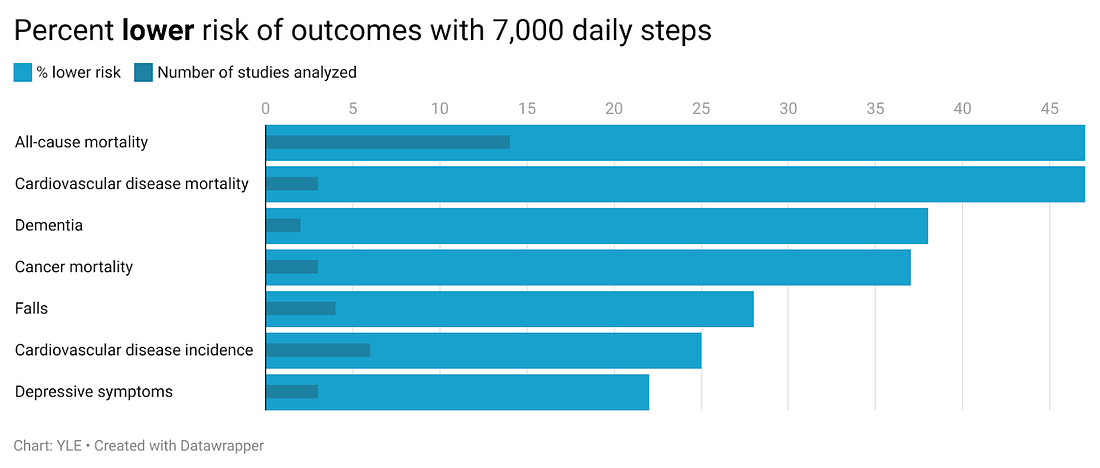
Because a new meta-analysis found that walking kicks ass. 7,000 steps a day is associated with significant health benefits, with the most dramatic benefit for moderate step counts compared to low. (Basically, getting off our duff and moving around is great for us.)
Increasing from 2,000 to just 5,000 steps/day can dramatically improve oh-so-many things:
Blood sugar control
Insulin sensitivity
Blood pressure
Inflammation
Mental health
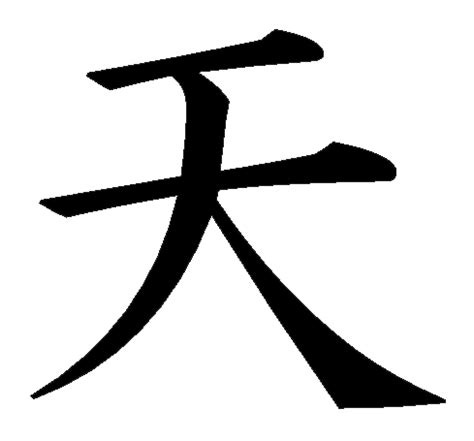
By the way, the original steps number was chosen because the Japanese character for 10,000 resembles a person walking. The device was called Manpo-kei, which translates to “10,000 steps meter.”
Traipsing Tidbits
Flashback to eleven years ago when we surrendered to the heat and wind while pedaling across Montana enroute to Maine.
If you need the color for touch-up paint on your vehicle, the door jamb in the vehicle has the code printed on the sticker.
Recently I gobbled up the delicious writing in Orbital, the Booker-price winner by Samantha Harvey.
Love love love these miniature sculptures mixing a Renaissance style with commentary on our devotion to screens.
I wrote a post for The Cross-Eyed Pianist about going from frustation to fulfillment.
That’s a wrap for this Traipsing About newsletter.
Unsolicited advice: next time you’ve got a chance to have a real, awkward conversation with a friend, lean in!
Onward,
Dakota
P.S. Throwback: 105 million views can’t be wrong about the famous honey badger.
Thanks for reading Traipsing About! I appreciate your time and attention in a world where it’s a precious commodity.
Love the insights about friction making relationships stronger and deeper, Dakota!