
Retirement is a relationship problem
The human kind of compounding interest.

Wassup, Traipser! Dakota here with Traipsing About, my AI-free newsletter exploring living an intentional life while reclaiming creativity as an adult. I spice things up with experiences and photos from full-time travel, plus daily drawings.
Seven months on the road this week with a summer in Canada ahead!


Spot a typo? That’s very-human me doing my best! (Such as last week’s newsletter when I said “Happy April!")
Thank you for being here. I appreciate your time and attention in this 10x-speed-treadmill world.

To kick things off, something to consider (via Mark Manson):
SIX COMMON LIES WE TELL OURSELVES
“If I had more time, I would do the thing.”
“If I could just have that, then my life would be amazing.”
“If I tell them this, then they will finally change.”
“Everything is perfect/ruined.”
“I can’t live without the thing.”
“I know what I’m doing.”
In case you missed it: Last time I wrote about my three-week trip through Puglia in Italy.
Off the autostrada in Puglia

Sure, there are autostrada that blast through Puglia, but No Highways mode on Google Maps opens up a whole other world. Some “roads” felt more like former (or current) horse cart lanes, but that was part of the fun.


Retirement is a relationship problem
The single biggest predictor of whether your retirement is brilliant or bleak has almost nothing to do with your portfolio. It’s your relationships.
So says this financial planner in this excellent newsletter from Humans vs. Retirement. Here are some paraphrased concepts that stood out for me:
Chronic loneliness is roughly as toxic to your body as smoking 15 cigarettes a day.
Good relationships keep us happier and healthier. Loneliness kills. The people most satisfied in their relationships at 50 were the healthiest at 80. The lonely ones died younger. The quality of those relationships predict your health, happiness and lifespan more reliably than your cholesterol, your income, or your genes.
Gray divorce (the weird term for splitting up after 50) is on the rise. Women instigate over 60% of them. But retirement doesn’t cause it. Retirement just strips away the structure that was holding up a marriage that nobody wanted to look at too closely.
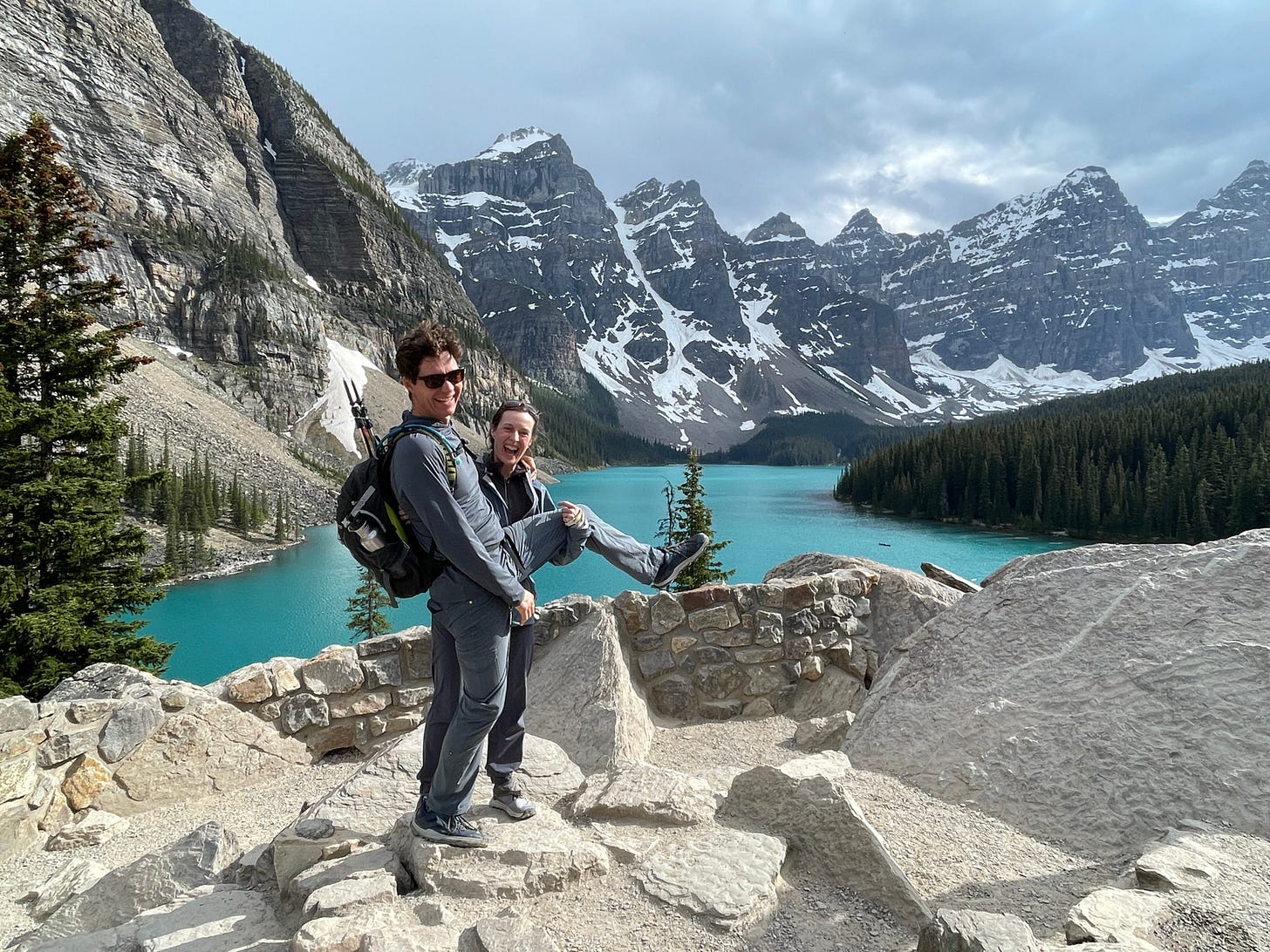
Chelsea and I may still be working on our cool moves, but are doing great otherwise. After leaving the workforce, you can rebuild identity, purpose, and structure. Sure, it’s hard…but rebuilding relationships is either far harder or straight up impossible.
The work friendships you thought were strong were actually friendships of proximity. (Even I, a major extrovert, only sporadically stay in touch with two people from my work days.)
Meanwhile, the people you pushed to the fringe of your life while you were grinding—old friends, siblings, your spouse—got on with lives that didn’t include you. You can’t just step back in at 65 and expect to pick up where 1996 left off.
What you CAN do
Audit your actual friendships.
Call one of them this week. Not text. Call.
Have one honest conversation with your partner/spouse about what you actually want the coming decades to look like.
Join something where you’re the new person. So many groups out there!
If you’re a man, find the one friend you feel ok contacting and start the awkward work of rebuilding an adult male friendship. It will feel weird. Do it anyway.
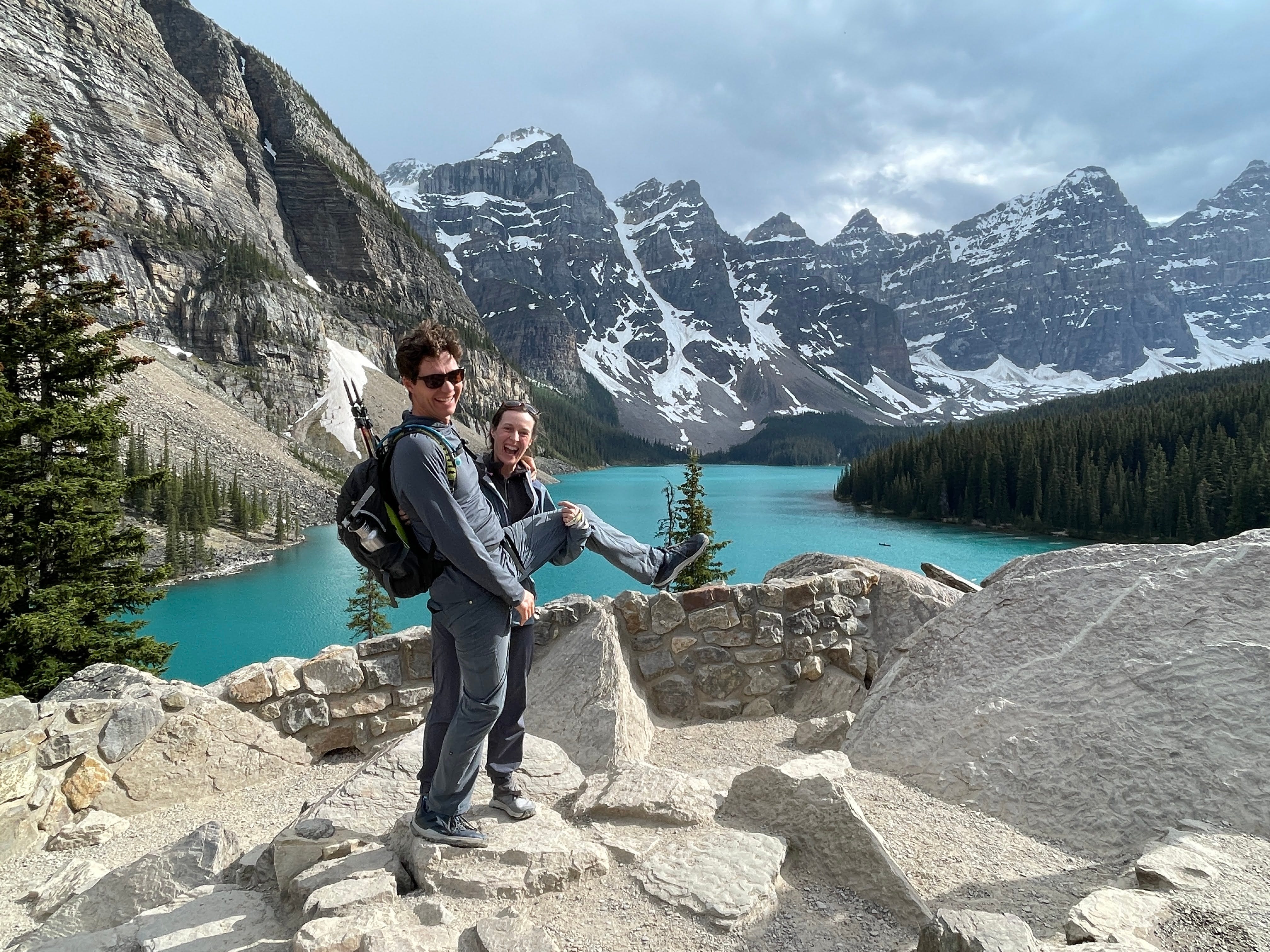
BOOM. Mic drop wisdom from a financial planner. Definitely read his entire essay.

Just say no to hoarding-type scrolling
Have you ever saved something from the internet as a “read later” item, then felt the weight of it? Another to-do, yayyyy.
Me too. So much great shit on the internet—funny, helpful, full of wisdom!
Oh, and overwhelming at times.
But for the past couple of years, instead of inbox zero meaning I have to ingest everything, I give myself permission to delete them. It’s so freeing.
I think of it as scooping a cup into the internet river instead of diverting it into a reservoir where I save everything. If newsletters, podcasts, or videos sit in my inbox and I don’t have time in a few days to read them, ZAP, byeeeee.
Harjas Sandhu’s essay and label for this rang true for me: “The hallmark of hoarding-type scrolling is saving good posts for later instead of reading them now.”
Oliver Burkeman followed up with an essay about the exciting power of immediacy versus the dread of, “oh, I’ve gotta go through my saved links, ugh…”
“It generates a huge backlog to slog through – so that even if you do get around to reading or watching, you’re no longer responding from the place of aliveness and excitement that first drew you in, but from a duller sense of obligation to clear the backlog, extract the important bits, and move on to something else.”
Something to consider next time you’re saving something to read, listen, or watch later.
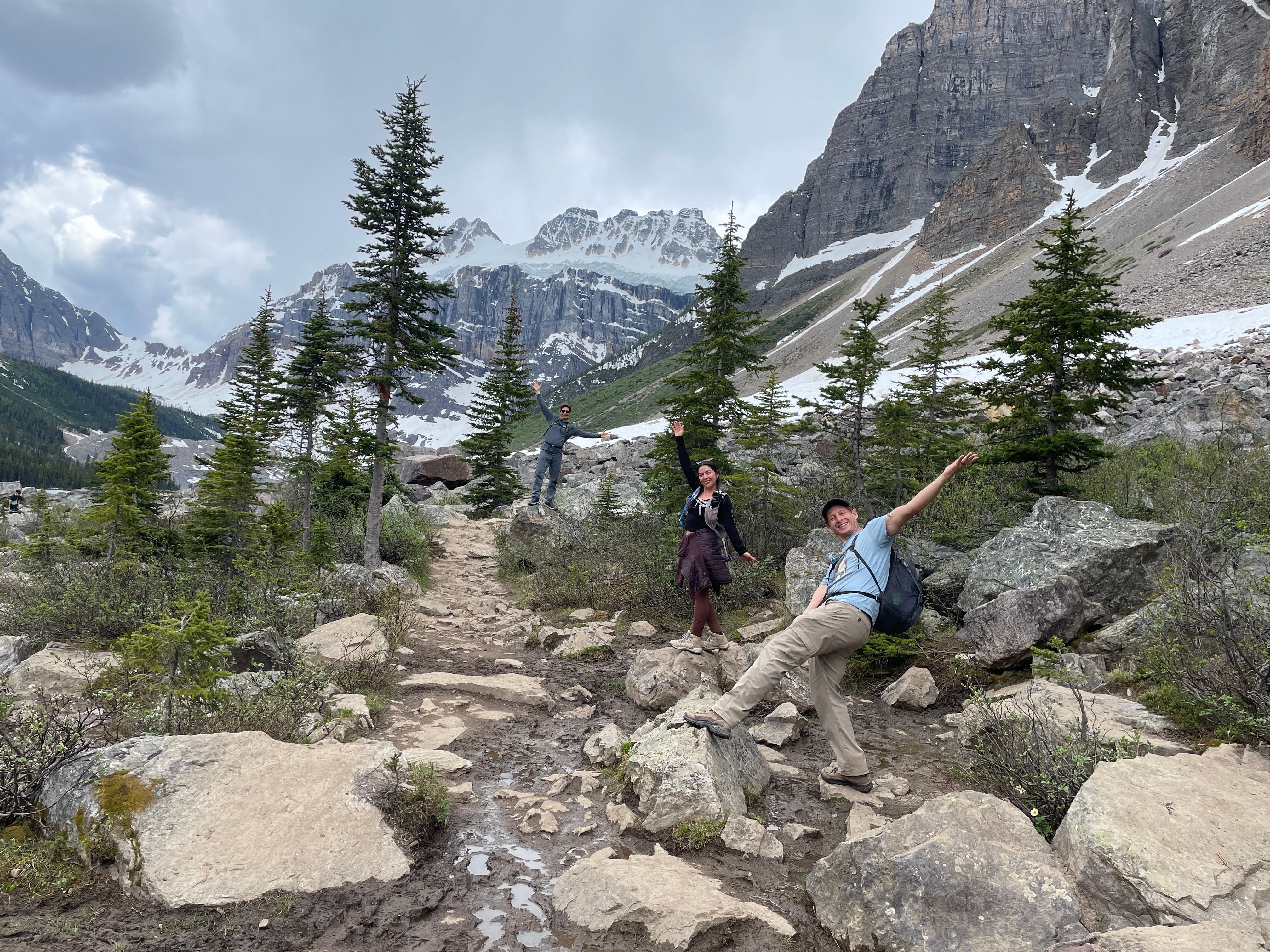
Traipsing Tidbits
A few things that I’ve enjoyed (which I insist you not save for later):
This cybersecurity expert says to stop using your physical credit card and switch to a digital wallet like Apple Pay so that merchants never see the full number.
Summertime! Fun…usually. Can you spot a drowning person?
Q: How rich are you? (You can’t mention money.)
Traipsing About is motoring onward. But first, a quote for the road:
“When you get to my age, you’ll really measure your success in life by how many of the people you want to have love you that actually do love you.”
That’s the ultimate test of how you have lived your life. The trouble with love is that you can’t buy it. You can buy sex. You can buy testimonial dinners. You can buy pamphlets that say how wonderful you are. But the only way to get love is to be lovable.
It’s very irritating if you have a lot of money. You’d like to think you could write a check: I’ll buy a million dollars’ worth of love. But it doesn’t work that way.”
-Warren Buffett
Onward,
Dakota
P.S. I want to see this giant airport clock with people as minute and hour hands.

Those photos are AMAZING. And your wisdom is good too!
Love your posts which I will now delete...:)