
How friction improves our lives
How it builds character, strengthens friendships, creates story, and helps us slow down.
I initially wrote this as a four-part series about how friction improves our lives. Here’s all four in one essay!
In praise of friction
I want more friction in my life—not less.
Wait, whaaat? You want the WALL-E life?! Just hand me a sippy cup and a beach chair, brosef.
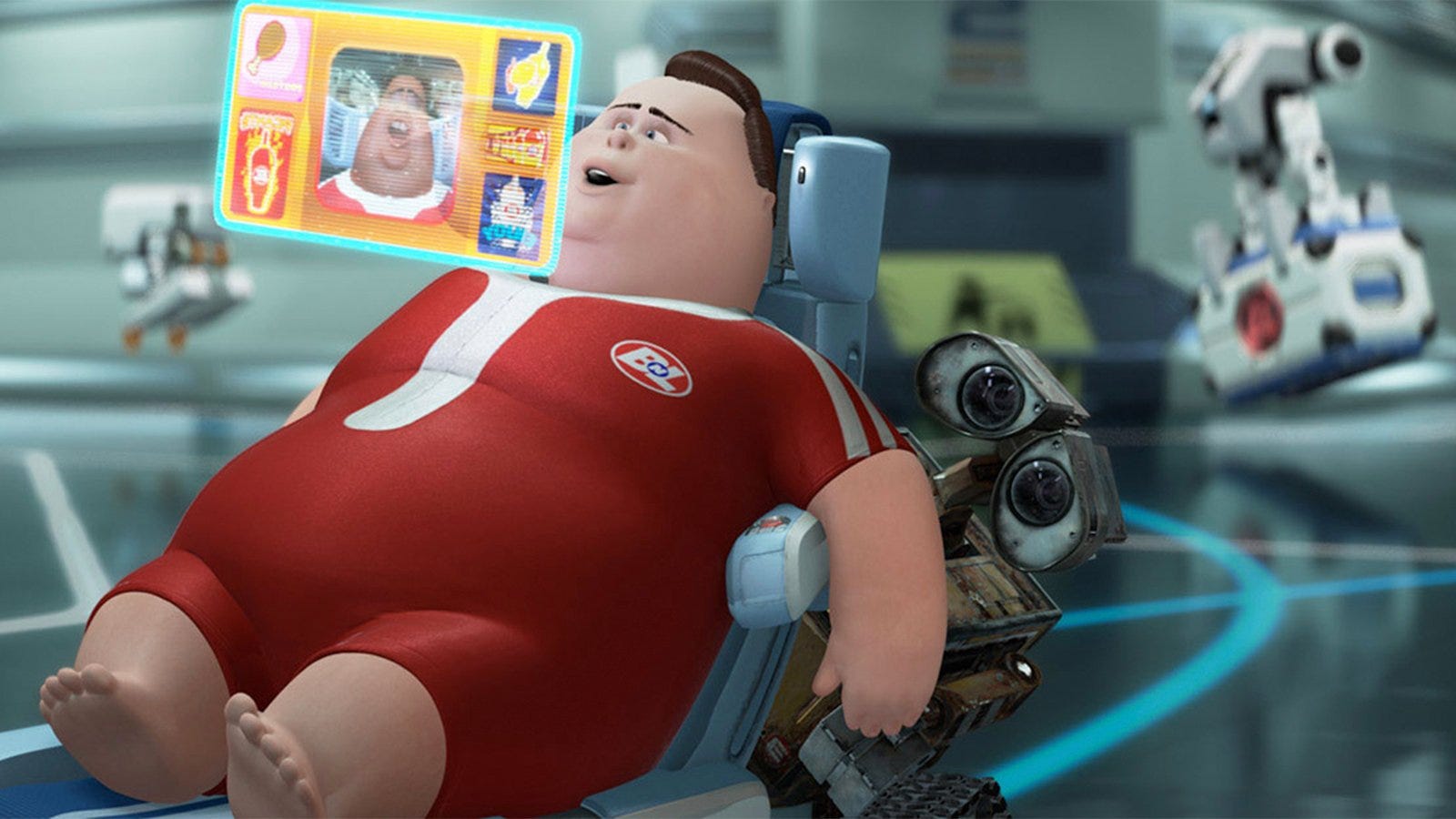
Um, no thanks. Plus I know you, wise Traipsing reader, wouldn’t ever say that either.
Because here’s the thing: friction gets a bad rap—but it’s often where meaning, growth, and connection happen. In a world obsessed with smooth, seamless efficiency, I’m here to argue for the value of (some) things being just a little harder.
As the wise Anthony De Mello writes,
"Happy events make life delightful but they do not lead to self-discovery and growth and freedom. That privilege is reserved to the things and persons and situations that cause us pain."
By the way, I’m not talking about the shitty friction like Bluetooth in the car inexplicably not syncing or going back to hand laundering my clothes. No way, I love modern conveniences—I’m keeping my iPhone!
Nope, I’m talking about friction as the obstacle enroute to a goal, the delayed gratification, the forced pause to make a considered move.
For me, friction creates a life filled with intention. More deliberate choices, not just being shepherded around by a digital overlord. More time with people and a stronger sense of community. More adventures and better stories. Steering the ship like a badass pirate, not stuck below deck wondering where it’s headed.
Friction builds character
The struggle and the time—ahem, friction—spent learning or doing anything makes it meaningful. It’s where we develop perseverance, confidence, and resilience. It’s how we avoid blowing away like a beach ball in the wind anytime things get hard.
Think about it: what skill or experience you’re proud of came easily?
Do people who inherit money brag about it? Nope. Anyone who boasts about the gleaming Mercedes their daddy gave them is basically broadcasting, I’ve never done anything hard in my life. (Cya, sucka!)
Same goes for compliments. “Wow, I love your landscaping” hits differently than “You have lovely eyes.” Why? Because one took effort; the other was received. (Thanks, Mom and Dad—I love my eyeball Mercedes!)
For me, if music skills or languages were simply downloaded into my brain and fingers, the satisfaction levels would be zilch, nulla, nada. I've earned the ability to create music from 88 black and white keys or speak Italian through difficult, delicious effort. The process and journey is a huge chunk of the reason it matters.


Compare that to AI, which can crank out a song, painting, or piece of writing in the time it took me to write this sentence.
Our superpower as humans is that we actually get experience the world—in all its glorious friction. To be surprised by things, to feel joy, to dive deep into a new skill without needing to know why.
In fact, the great Russian novelist Tolstoy wrote about this necessary striving in Anna Karenina and War and Peace, where characters find fulfillment not in luxury or power, but in humble effort, relationships, and moral development. Science fiction writer Isaac Asimov has similar themes in his amazing Foundation series—he believed that human progress—through science, reason, and curiosity—is inherently meaningful.
I’d argue this is why people don’t give a ferret’s fart about AI music or books. No friction, no effort or sweat behind it. Just content (ugh). No wonder people recently raged at Spotify for promoting AI band The Velvet Sundown, which fronted as flesh and blood musicians.
In short, friction is the burning feeling in our brains when we're making connections, creating, building something of value. It’s a core part of being human.
And to that, I yell from the Traipsing About rooftop: Gimme more!
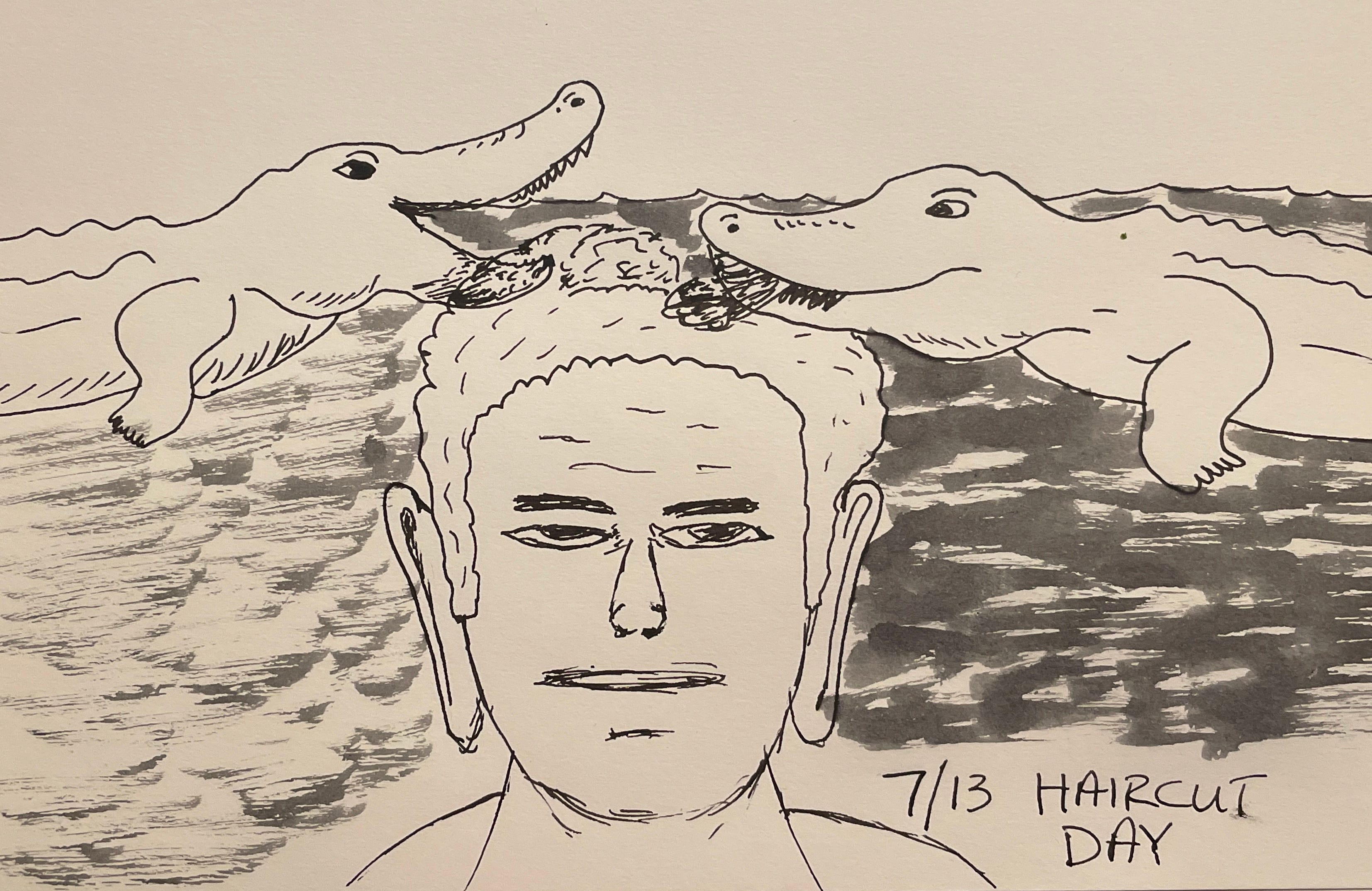
Strengthening friendships with friction
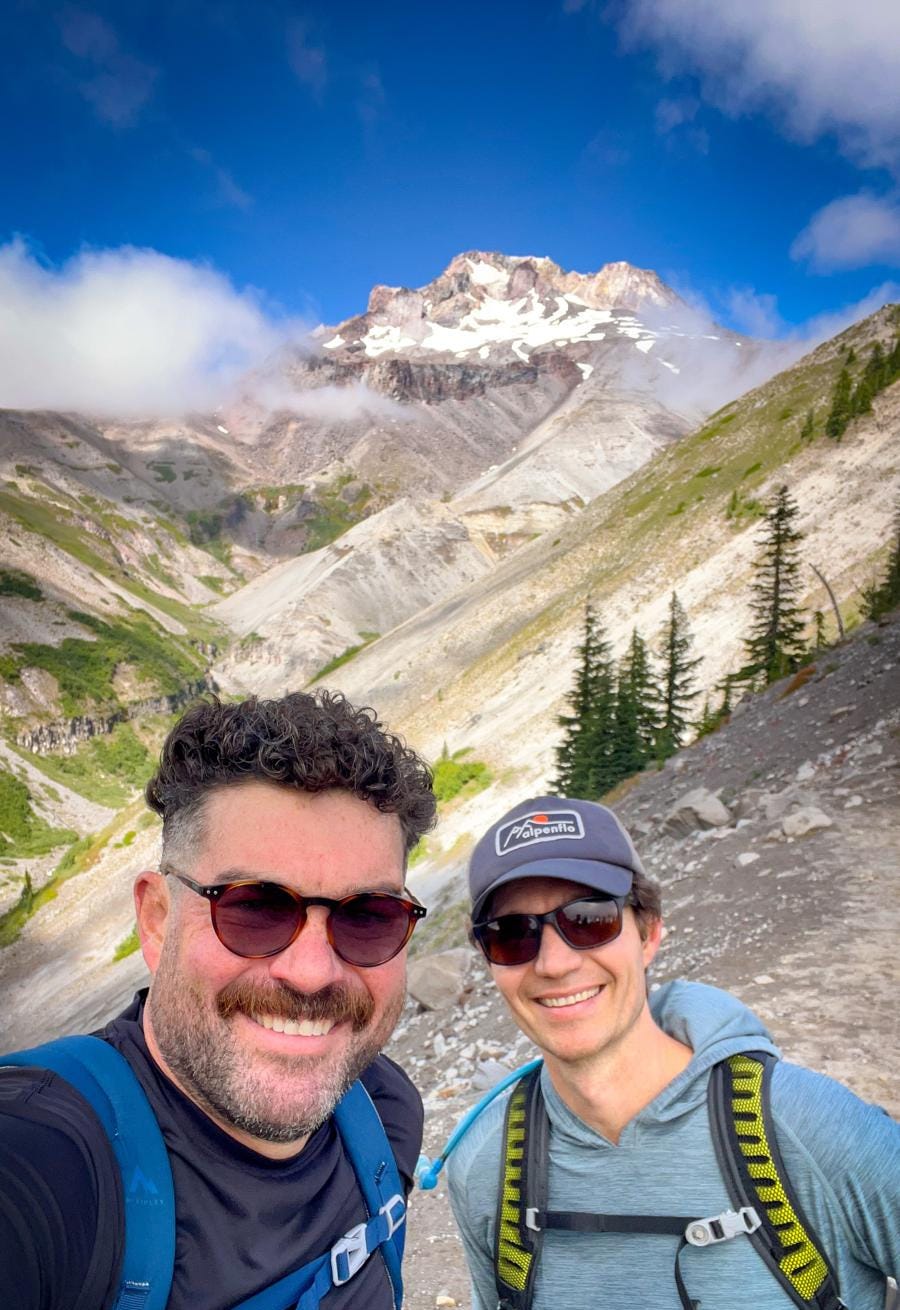
My first year in Bend, I learned how a broken toe can build a friendship.
I’d taken a new friend on a group run on tricky terrain. At one point, he dropped back while I was up around the bend with another runner. I waited a bit...no sign of him.
Huh, weird. Oh well, let’s climb up to the waterfall ahead!
On my way back down the trail, I came upon my friend, now limping along. He’d fallen and broken his toe while I was cavorting ahead. Cue awkward moment.
Kudos to him, he leaned in and told me how he felt. Stammering my way through that conversation with him cemented our friendship in a way that wouldn’t have happened otherwise. (His openness to me sounding like a penitent idiot helped.)
Contrast stammering with perfectly sculpting all communication, whether belaboring a text response or simply asking ChatGPT what to say. A perfect response that feels like winning in the moment actually robs us of one of the prime opportunities in communication. You guessed it: FRICTION.
Consider being in conflict with your partner or friend. They send a perfectly worded text or email to you explaining things and taking responsibility.
My god, have they done years of therapy and meditate every morning? Does it say “Aspiring Dalai Lama” on their LinkedIn profile?
Nope: they admit that ChatGPT wrote the entire thing.
Cue the air rushing out of a balloon as the conversation crashes: FWEEEEEEET.
Do you feel closer to them? Do you trust them more?
Hell. No. Not in a million therapy sessions.
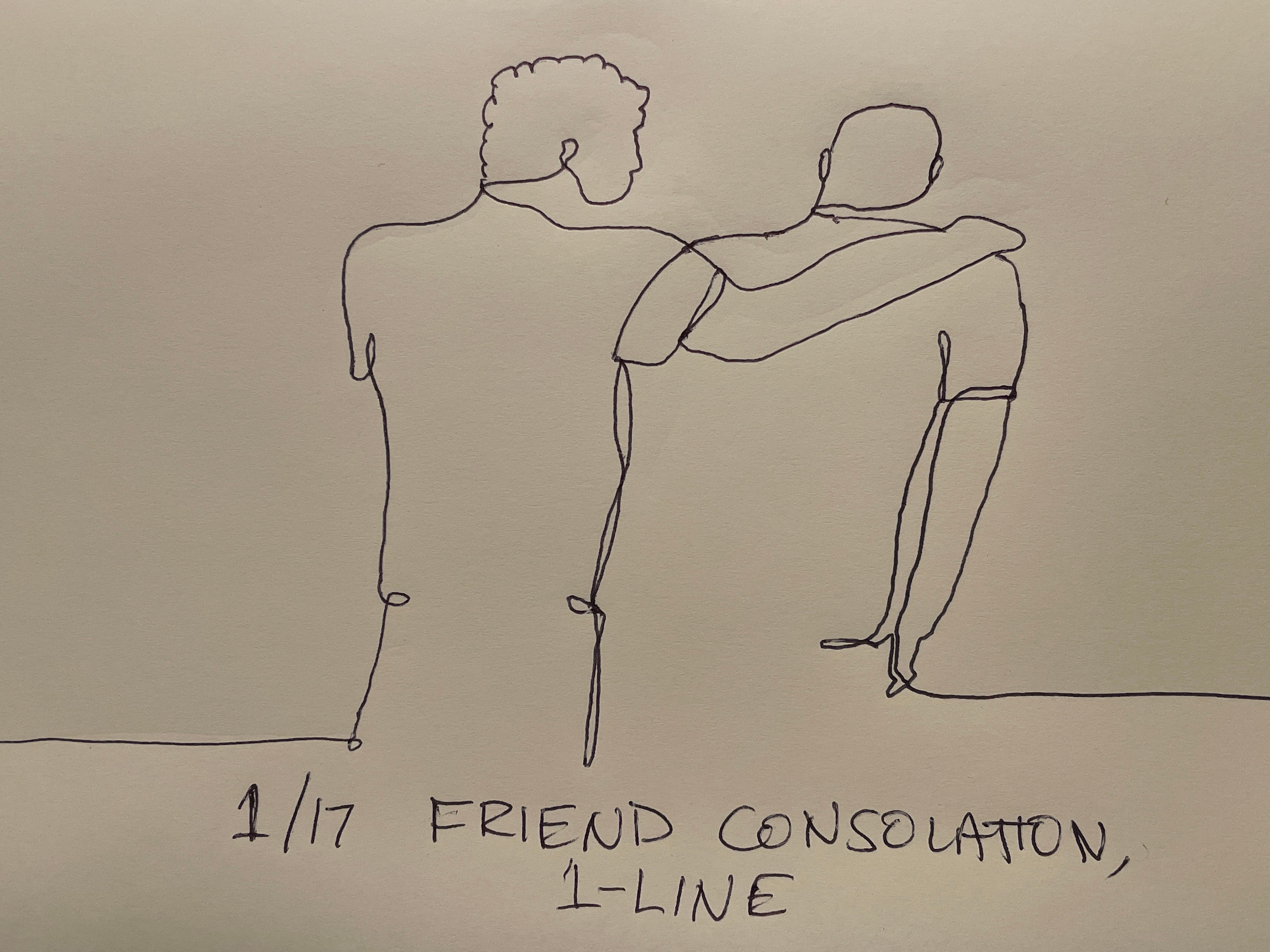
That’s because emotional friction (conflicts, misunderstandings, compromise!) creates a feeling of closeness.
In the same way that surmounting a tough work project or hard physical experience brings us closer together, navigating hard conversations strengthens trust. The messy conversations shows us what people are made of, that they care enough to try.
Messiness (ahem, friction) can also be a fantastic signaling tool for knowing when enough is enough. For instance, one friendship blew up after a joke of mine went awry. I apologized profusely, but my friend refused any attempt at repair. In fact, the trip ended with him driving off in a huff, throwing a gift I’d gotten him out the window on the way out.
Reflecting later, I realized I didn’t want to try additional repair. I’d ignored other red flags in the past (oops), but this flag had flapped in the first hard breeze and snapped me in the face. Buh byyyye.
On the flip side, with close friends, I’ll step up and admit to being a jackass. That’s not just an apology, it’s proof I value the relationship enough to limp through the awkward moments. Because when the dust settles, friction isn’t what breaks us apart. It’s the broken toes, bad jokes, and messy conversations that prove we’re worth holding together.
Friction is the story
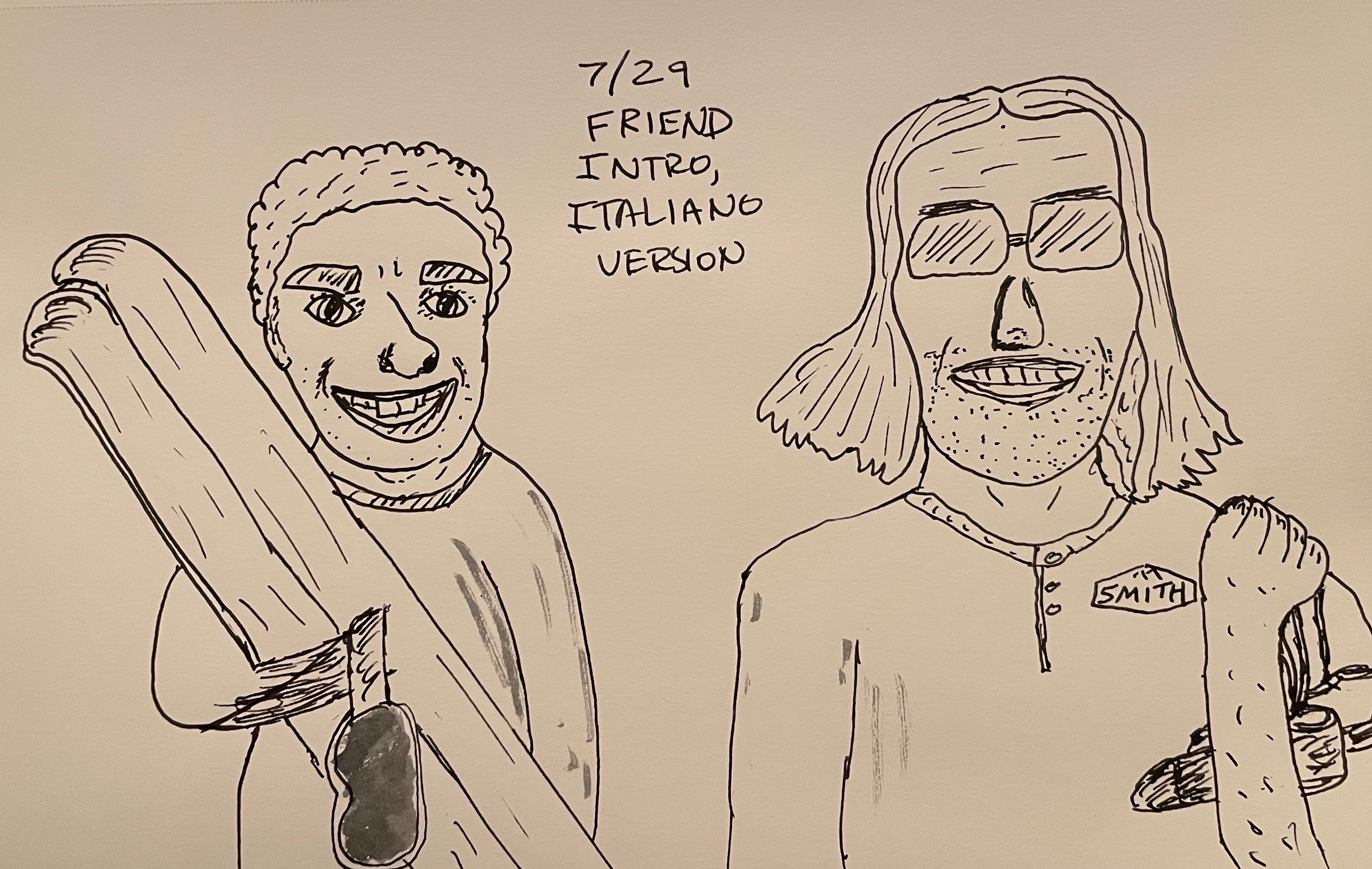
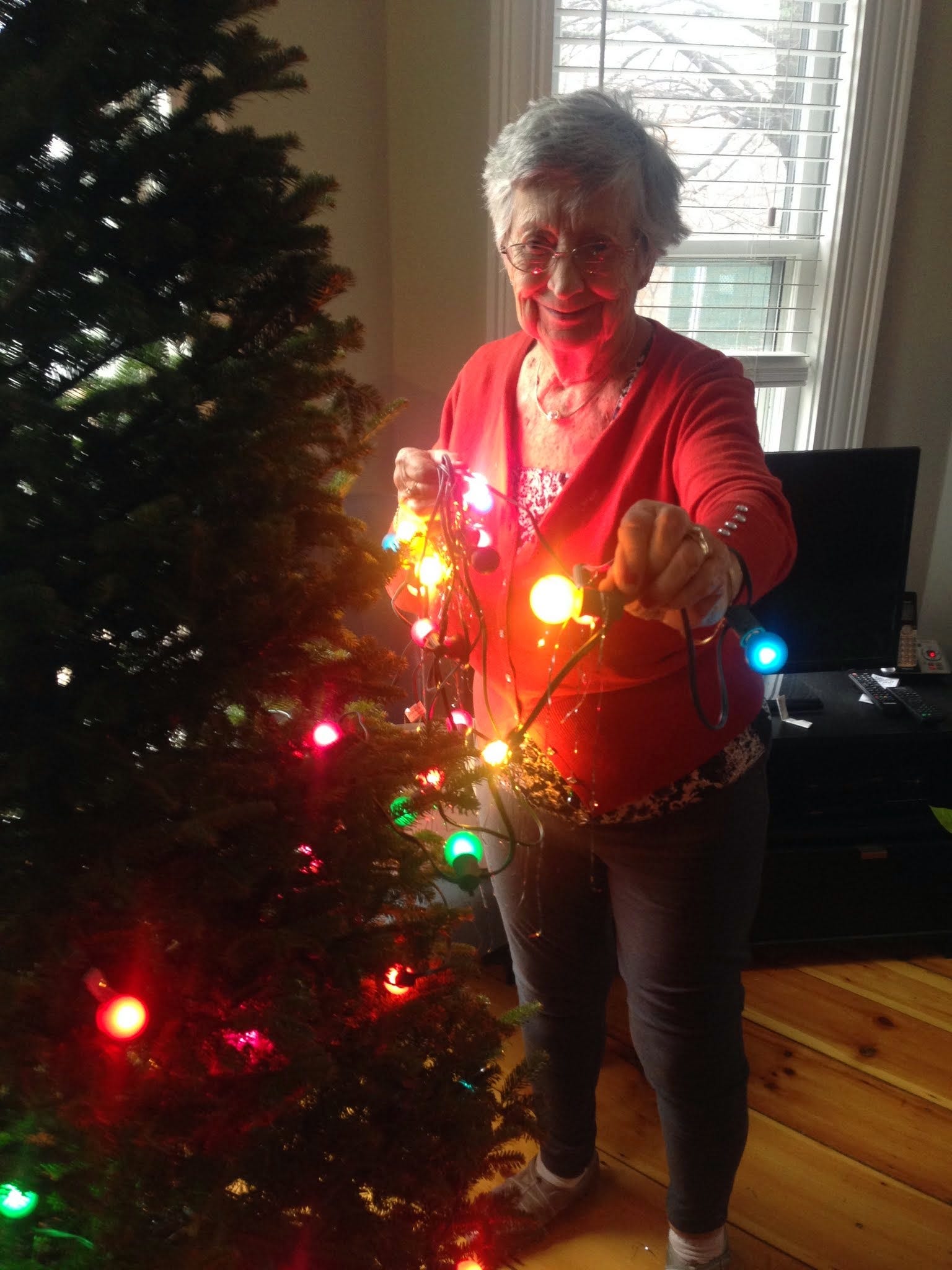
Most holidays blur together for me, but not the one where a fully-laden Christmas tree toppled onto my flailing grandma as my raucous Italian family laughed uncontrollably. At least one of my aunts peed her pants.
In fact, my best stories are rarely (never?) about things going smoothly. They’re about friction, be it a family holiday or a far-flung trip.
I’m talking about things like a Hawaiian wave soaking me and Chelsea during our wedding photos. Or a small child throwing up all over Chelsea and our traveling companions on an overnight train in China. Or perhaps bike trips laced with lightning storms, broken derailleurs and bike frames, or weirdos in a Walmart parking lot scaring the bejeebus out of us as we “stealth camped” in our van overnight.


Yes, please, serve me some friction with a side of unknown! For dessert, I’d like some randomness.
After all, in storytelling, conflict = plot. In life, friction = memory. Perfect beach vacations are lovely, sure, but they’re yawn-tastic in a story. “We went to the beach. It was sunny. We drank cocktails. The end.”
A family dinner where everything goes right is pleasant. The one where I accidentally spilled an entire pitcher of grape juice and my grandpa’s blood pressure pinged off the moon is engraved forever in my memory. (My poor grandparents!)
As Kevin Kelly puts it in his excellent “50 Years of Travel Tips,” travel comes in two flavors: retreat (recharging with margaritas on the beach) or engage (leaning into uncertainty and surprise). Craig Mod describes it as stepping into the unknown.
I just call it friction. The kind of travel that leaves you changed, with stories worth telling. Like my brother and me spending six days on the Trans-Siberian Railroad, building a makeshift sail to push air into our sweltering cabin (Paul Theroux would have been proud). Well, until furious Russian train attendants tore it down. Annoying in the moment (gawd it was hot in Siberia), unforgettable in hindsight.


When people travel, they often try to erase friction, researching every corner of a destination until no surprises remain. The Airbnb, landmarks, restaurants, and the coffee or croissant spot are already mapped. (What about the toilets; better check those in advance!)
But what if you left a little to chance? Showed up without an agenda, without Instagram’s highlight reel guiding your every move? Whatever magic a destination holds gets hammered out by too many tourists anyway; a selfie stick to the eye wrecks any experience.
Sure, some friction is just hassle. In 2006, me traveling without a phone or laptop meant hunting for internet cafés just to book a ticket, or fending off shouting hotel touts after stepping off a bus or boat. Not fun, not a good story.
There’s a place for it though. Lisa Abend takes a delightful modern twist on this. “Each month, I go to a place in Europe I’ve never been before, travel around entirely offline, and bring back stories of my adventures.”
Even with cell phones, other friction opens doors. On a three-month bike trip through Europe, we left our route unplanned and commented on a vegan food blog in Belgium. That led to three unexpected days staying with the blogger near Bruges, plus connections with friends in Ghent. Scheduled and booked, it never would have happened.


This has been true on every journey I’ve taken: Every time I leave things open, serendipity shows up. Over and over, friction isn’t inconvenience, it’s the spark for stories and relationships.
That isn’t just true on the road. Life itself works the same way. The moments we remember aren’t when everything went smoothly, but when things went fabulously sideways. Grape juice spills and power outages shake things up!
Perfect trips and seamless dinners fade. At the end of our days, what we’ll remember are the stories, our time with people, whether close family and friends or a stranger eager to share a piece of their life.
Friction becomes story. So if a Christmas tree happens to topple onto grandma this year… well, you might just be gifting your family the best holiday memory yet.
Give the tree a little bump with your hip.
The power of friction
In this series, I’ve tackled the concept of friction. Since then, I keep noticing it everywhere. (Call me a dude with a hammer looking for friction, whatevs!)
Scott Galloway warns that AI companions create “connections forged without friction, where intimacy is artificial.” Cognitive science researcher Eva Keiffenheim urges us to “put the friction back in” so we don’t offload too much thinking to machines. And Cal Newport reminds us that a bit of resistance can tame our questing simian minds’ dependence on them. Limit timers for apps? Pffft, monkeys can figure that out! Gotta put the phone in a drawer.
Even finance, that temple of efficiency, benefits from friction. The IEX stock exchange slowed down trading signals, as Michael Lewis chronicled in the excellent book Flash Boys.
Friction at a personal level
No friction in our lives runs the risk of transforming us into dreadful, entitled caricatures, someone like Harry Potter’s revolting cousin Dudley. Without effort and pushback (aka people telling us when we screw up), how can we possibly develop the grit and tenacity to thrive while avoiding becoming a stinky turd of a human?
As Scott Galloway puts it in his essay Love Algorithmically,
“We need people to judge us, to point out when we say something stupid. Friction and conflict are key to developing resilience and learning how to function in society.”
Friction shows up in the burn of a workout, in researching sustainable products vs. single-use crap. It’s the effort it takes to learn a skill, digging in for dozens or hundreds of hours. (Wow have I felt it learning piano and languages!)
It’s handwritten notes instead of quick texts. Ordering takeout for a sick friend is nice; cooking and delivering soup is love.
It’s the time we put into our relationships and communities, the red-eye flight to attend a wedding, the volunteer shift at a local event, caring for a sick loved one. It’s showing up for yourself and the people around you, again and again. Friction isn’t always fun, but I’d argue it’s what connects us and makes life feel full.
It’s also the safeguard of democracy, a check against authoritarians running roughshod over their citizens. Due process, protests, and unions all slow things down, and for good reason. Friction keeps power in check and protects ordinary lives from being steamrolled by efficiency and greed. Sure, too much red tape breeds frustration (as detailed in the eye-opening book Abundance), but too little leads to chaos.
Does it slow things down? Yes...usually for the betterment of the individual’s every day life and a feeling of security instead of leaving them wondering when the next rug will be yanked out.
La Dolce Vita
My Italian grandmother knew La Dolce Vita, the sweet lifestyle embracing simple pleasures, beauty, and a slower pace of living. She was surrounded by people she loved with treasures from her travels on every shelf. With a glass of Crown Royal and Jeopardy at 7pm, grandkids rampaging in the next room, she couldn’t have been happier.
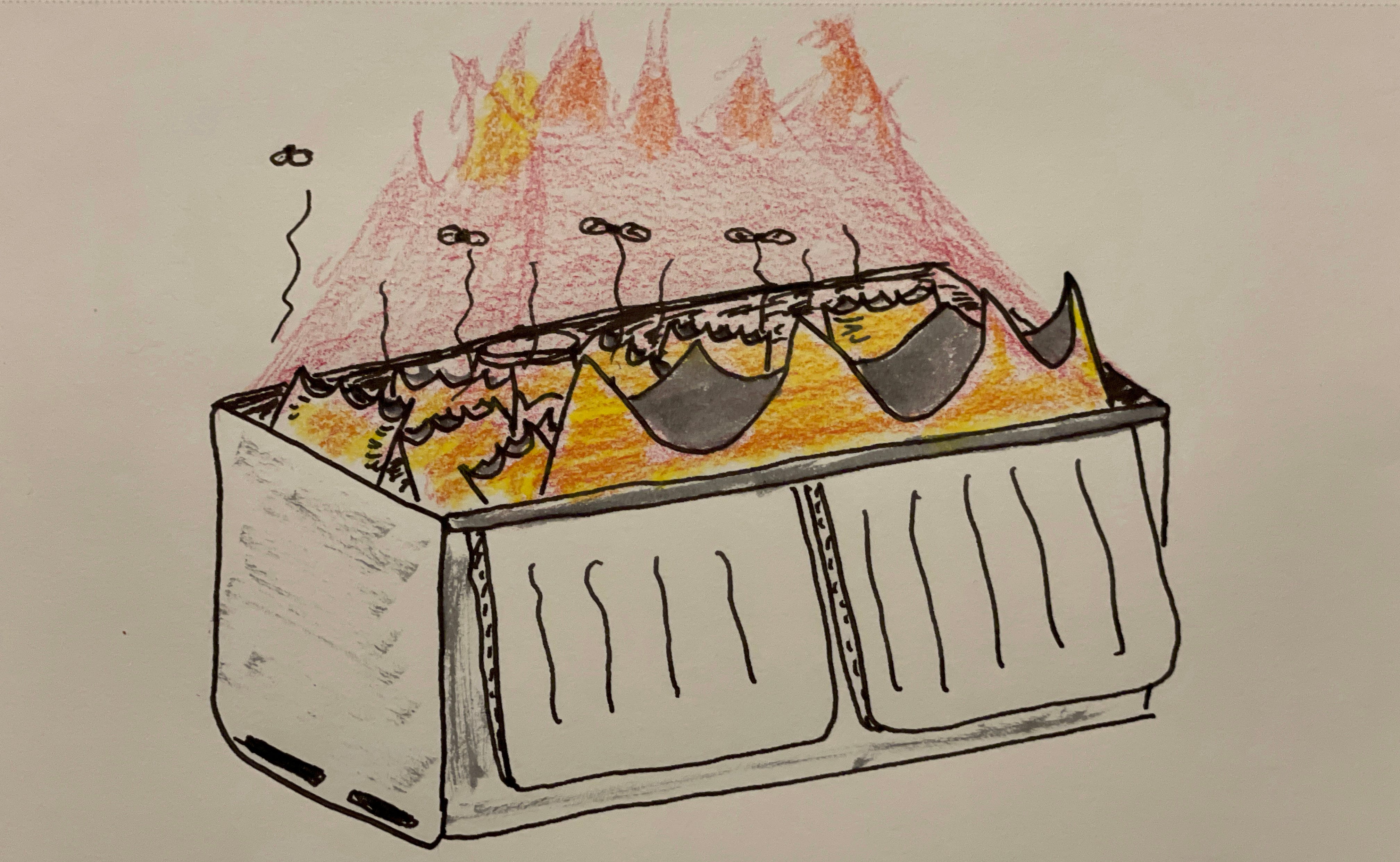
Well, La Dolce Vita IS friction: home-cooked meals, real human messiness, Christmas trees falling over, one destination on a trip instead of five cities in a week. Slowing the hell down.
The life people dream about isn’t based in efficiency at all. It’s all about slow interactions where you engage with people in your community. Running into someone at the grocery store, chatting amiably at the dog park with people you don’t know, but whose bulldog Bruno you adore.
My parents model this beautifully: meal trains for sick neighbors, a shared community truck, my mom walking a friend’s dog for months, my dad’s friend reading poetry to him after surgery.
What are we rushing toward?
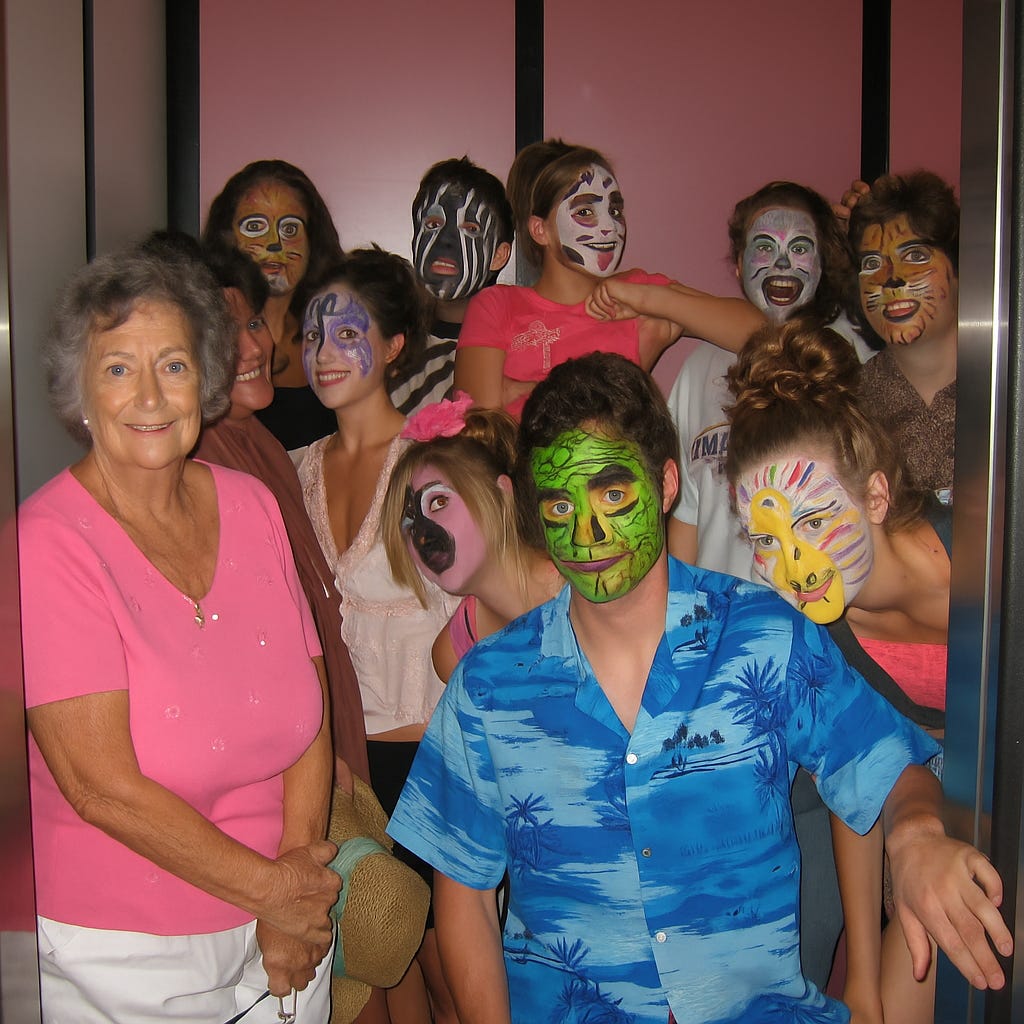
Efficiency connects us to things. Friction connects us to people. In a world where everything is one click away, maybe the only real act of care left is giving someone your time.
Otherwise, we end up fast-forwarding through life. But to what end? As Jay Jennifer Matthews writes in Radically Condensed Instructions for Being Just as You Are:
“We can not get anything out of life. There is no outside where we could take this thing to. There is no little pocket situated outside of life, which would steal life’s provisions and squirrel them away.”
Maybe friction is just the courage to slow down, to be fully present.
A few parting ideas:
-Be ruthlessly efficient with things you don’t enjoy. Put the soy milk on auto-order! Use that dishwasher and washing machine! Book a DMV appointment vs. standing in line for 2 hours!
-Meanwhile, leave space for serendipitous interactions that result in connection. Maybe don’t schedule every weekend? Leave your phone in a drawer for a few hours a day.
-Try not meticulously planning a trip. Make like Kevin Kelly and keep some of it engaging rather than relaxing.
-Finally, embrace inefficiency for what it is: a way to strengthen bonds and feel like you’re part of a community. It’s okay not to do everything in our lives. Maybe doing a few things really well with our full attention is enough.


