
The art of spending (and living) well
Careers, hobbies, and trips that actually feed your soul.

This week: how to stop chasing shiny things and start investing in the stuff and activities that actually light you up.
What up, Traipser! Dakota here with Traipsing About, my ongoing experiment in living creatively, traveling intentionally, and reflecting on what makes life feel meaningful.
Chelsea and I just got back from a little fall road trip through Oregon and Idaho. Good times showing her some of my favorite areas, plus a family visit.


This week’s Traipsing About (undelayed) flight is touching down on time with:
Spending money on what you’ll actually use.
Advice for a young reader.
Buying back your time while traveling.
In case you missed it: my last four newsletters explored friction and how it benefits us by building character, strengthening friendships, creating story, and helping us slow down. For easy reading, here are all four posts combined into one.
Forget the facade
In Morgan Housel’s excellent new book, The Art of Spending Money, he shares a principle I love: spend money on things you’ll actually use and enjoy, not on what others will see.
Instead of buying a low-end BMW for the logo and shiny rims, buy a high-end Toyota. You’ll enjoy the heated steering wheel, deluxe sound system, and safety features every time you drive...even if nobody else notices.
Same idea with your home. Skip the fancy facade and spend on what improves your daily life. Upgrade your lighting and sound system. Get that induction stove. Create a workout space. For SURE invest in great mattresses to get the best sleep you can.
In short: spend where it juices your life, not your image.
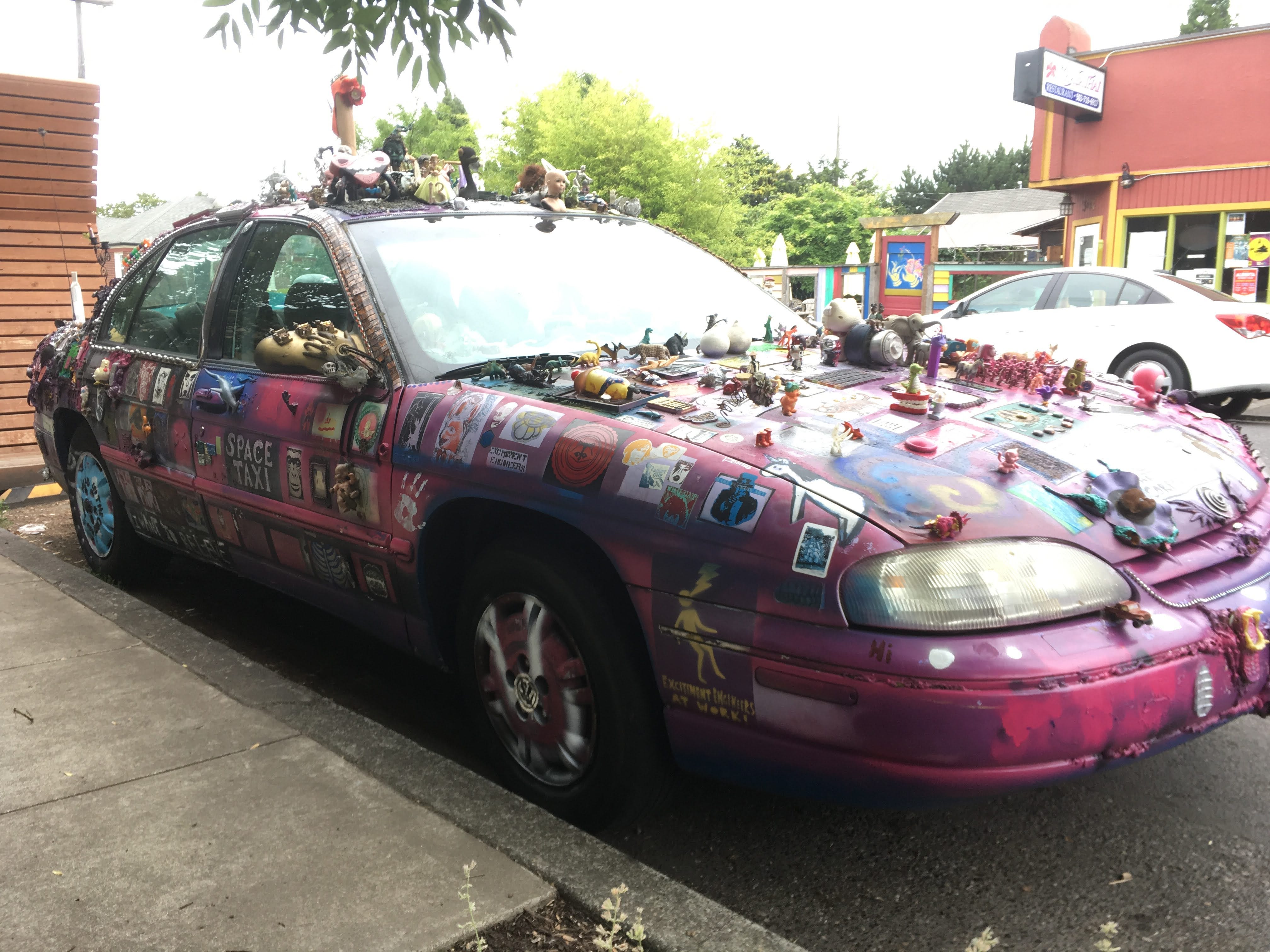
Housel sticks to money, but I think this idea goes way beyond spending.
Take careers. I remember feeling weird about shifting from “sustainability engineering” to finance. It sounded… less impressive. Yet that pivot let me build a great business, support seven employees, and live a life that supported my travel dreams and actually fit me. That choice came from focusing on what I wanted—flexibility and independence—not what sounded admirable to others.
Same goes for hobbies. Do you run marathons, collect wine, or volunteer because they light you up, or because they make for a good story, something to post online? The activity doesn’t change, but the why behind it does. The joy I get from playing piano has nothing to do with performing for others; if it were about applause, I suspect I’d have quit years ago.
And then there’s travel. Under the baleful glare of social media, it’s easy to chase trips that look impressive instead of meaningful. Waterfalls in Iceland. Pistachio chocolate in Dubai. Surf trips in Indonesia. Oooooh la la.
And hey, if those things genuinely excite you, go for it! (Iceland really is stunning...) But ask yourself: are you going because it calls to you, or because it photographs well? (Bonus points if you use AI to scrub out the other Grammers and YouTubers from your shot.)
People don’t admire you in the fancy car, they admire the car. They don’t think you’re sophisticated for sipping wine in Italy, but they do imagine themselves there. So don’t trade your real wants for someone else’s idea of “cool.” #notworthit
Life is too short not to live your own personal cool. As Morgan Housel says,
“The reason few material things would make their way into your ideal obituary is because you inherently know those things don’t actually matter.”
So focus on the things that really do: the stuff inside, not out.


Advice for a young reader
Ted Gioia’s attuned response to a young person’s request for how to navigate this complex world feels spot on to me! I’m bolding them obnoxiously because they’re awesome. (He expands on them in the full essay.)
Cultivate time away from screens.
Connect with people in the flesh—it’s easier than you think.
Cultivate the new skills that will be rewarded in the future.
Seek out connections with places, nurturing your love of the natural world.
You can still use the Internet—but do it purposefully, not as someone else’s pawn.
Encourage others to join you on this journey.
Buying back your time while traveling
This travel writer from Japan shared travel advice that I love!
Time is limited, especially when you’re traveling. There are always more things to do than time to do them in. Decisions, decisions.
In service to my desire to do not very much in a lovely locale, I strongly dislike expending time doing tedious but necessary things like getting from place A to place B. So, I am in favor of ways to buy back some of my time.
Ways to buy back your time (some actually don’t cost any money):
Fly non-stop.
Use points to book business-class so you can get some sleep.
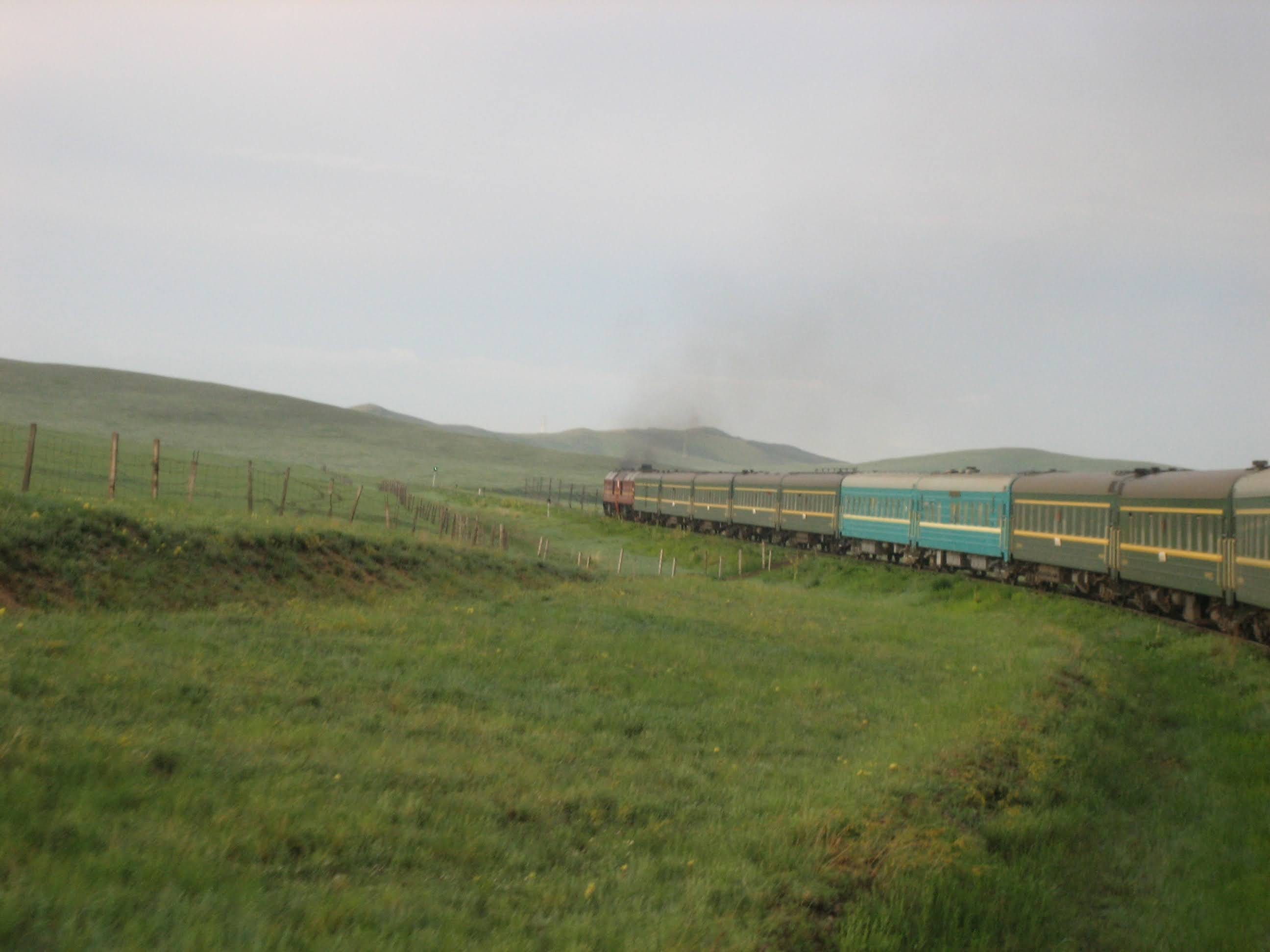
Take a sleeper train or bus between cities or countries.
Take a taxi. Yes it feels cool, and insider, to learn to navigate the trains. And it’s fun to ride them. Not when they’re packed to the gills and you can smell everyone’s sweat and everything. That’s definitely not fun. In many situations grabbing a taxi can save you significant time and inconvenience for only a bit more money.
Don’t wait in a 2 hour line for some ramen that is only marginally better (if that) than another ramen joint a half a block away (this one doesn’t even cost any money).
Do things close to where you’re staying. No matter where that is. Do local things. Extremely local things. Explore whichever neighborhood you ended up choosing to stay in even if it’s not considered the most popular or doesn’t have a zillion Instagram reels about it.
Traipsing Tidbits
Check out Steven Casmiro’s newsletter, which is about “living a good life in exceptionally strange times.”
This New York Times interview with Rick Steves gave me a newfound respect for him. (Bonus: we listened to his new audiobook, On the Hippie Trail, during our recent road trip.)
If you don’t want all your info on Google, you can easily request to remove it!
This JAMA study showed a 70% relative reduction in confirmed COVID infections (and fewer colds) among those using azelastine nasal spray (Astepro is the brand I bought!) compared with placebo.
This Traipsing About newsletter is getting on a direct flight outta here.
But first, a thought-provoking idea from James Clear:
If you want a plant to grow, you can fuss over it every day—watering, weeding, moving it toward the sun. Or you can place it in the right soil and let nature do most of the work. A seed planted in the right spot often thrives on its own. Life is much the same. Progress is not only about how hard you work, but also about where you decide to work.
Where is your energy better spent right now: pushing harder or planting yourself in better ground?
That’s it, folks! Onward,
Dakota
There are so many lessons in nature and growing plants! I often think about how the US culture could shift if everyone grew something that was delicious or native to their area. *dreamy*
I heard the interview with Rick Steves and felt the same! all the best to you two!
“Life is too short not to live your own personal cool.” Preach it, brother Dakota! One of the gifts of getting older is becoming essentially invisible in this society. It makes it so much easier to do what you want when no one’s watching.